
Separation Anxiety and Sleep: Helping Your Child Sleep Alone
Separation anxiety can significantly impact your child’s sleep, making it challenging for them to sleep alone and stay asleep through the night. As a pediatric sleep consultant, I often work with parents dealing with this issue. In this blog, I’ll explore how separation anxiety affects sleep and provide practical strategies to help your child feel secure and sleep independently.
Understanding Separation Anxiety and Its Impact on Sleep
Separation anxiety typically occurs when a child feels distressed or fearful about being separated from their primary caregivers. This anxiety can interfere with their ability to fall asleep alone and stay asleep throughout the night.
Signs of Separation Anxiety
Difficulty Falling Asleep Alone: Your child may resist going to bed or insist on having a parent nearby.
Frequent Night Wakings: Anxiety can cause your child to wake up frequently and seek reassurance.
Physical Symptoms: Symptoms like crying, clinging, or physical discomfort can be signs of separation anxiety affecting sleep.
Common Age Ranges for Separation Anxiety:
6-12 Months: A common age for separation anxiety to develop as infants become more aware of their surroundings and their parents’ absence.
18 Months to 2 Years: Toddlerhood often brings heightened separation anxiety as children develop stronger attachments and fears.
Preschool Age: Anxiety can persist or resurface as children experience new social situations or changes in their routine.
Strategies to Help Your Child Sleep Alone
Establish a Consistent Bedtime Routine
A predictable and soothing bedtime routine helps your child feel secure and prepares them for sleep. Include calming activities such as reading a book, singing a lullaby, or engaging in quiet play to create a sense of comfort and stability.
Gradual Separation Technique
Use the gradual separation technique to help your child become more comfortable with sleeping alone. Start by sitting near their bed until they fall asleep, then gradually decrease your presence over time. This approach helps them adjust to falling asleep independently while still feeling supported.
Create a Comforting Sleep Environment
Make your child’s sleep environment as comforting and reassuring as possible. Consider using a nightlight, a favorite stuffed animal, or a comfort object to provide a sense of security and familiarity.
Reinforce Positive Sleep Associations
Encourage your child to associate their sleep environment with positive experiences. Praise and reward them for staying in bed or sleeping alone, and create a sleep-friendly atmosphere that supports relaxation and comfort.
Addressing Night Wakings Related to Separation Anxiety
Respond Calmly and Reassuringly
When your child wakes up during the night due to separation anxiety, respond with calm and reassurance. Avoid picking them up or bringing them into your bed, as this can reinforce dependency. Instead, offer soothing words and gentle touches to help them return to sleep.
Implement a Check-In System
Consider using a check-in system where you reassure your child at gradually increasing intervals. For example, if they wake up and call for you, check in after a few minutes, then gradually extend the time between check-ins. This helps them feel secure without creating a new sleep association.
Encourage Self-Soothing Techniques
Teach your child self-soothing techniques to help them manage their anxiety and fall back asleep on their own. Techniques such as deep breathing, gentle rocking, or using a soft comfort object can be helpful.
When to Seek Professional Help
Persistent Anxiety Interfering with Sleep
If separation anxiety continues to interfere significantly with your child’s sleep despite implementing these strategies, consider seeking help from a pediatric sleep consultant. Professional support can provide personalized strategies to address the issue and improve sleep.
Underlying Emotional or Behavioral Issues
If you suspect that your child’s separation anxiety may be linked to other emotional or behavioral issues, consult with a child psychologist or counselor for additional support and guidance.
Key Takeaways
Separation anxiety can affect your child’s ability to sleep alone, but with consistent routines, gradual separation techniques, and a comforting sleep environment, you can help your child feel more secure and sleep independently.
Struggling with separation anxiety and sleep issues? Contact me for a personalized sleep consultation to explore effective strategies and solutions to help your child sleep alone and peacefully through the night.

Hi, I'm Luana!
Founder of Luana Sleep Consulting and a certified pediatric sleep consultant. I specialize in creating personalized sleep solutions tailored to each child's unique needs.


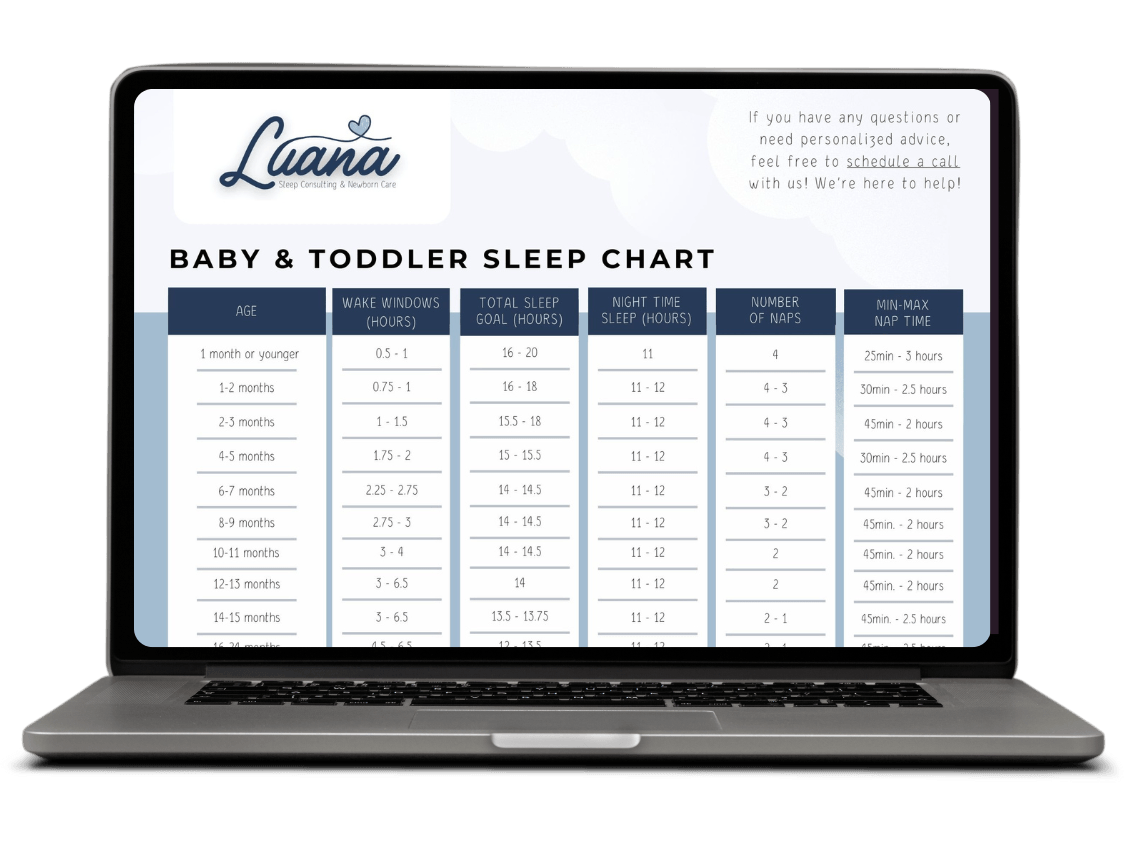
GET YOUR FREE SLEEP CHART:
Find out the recommended number and duration of naps for your child's age.
© Luana Sleep Consulting 2025. All Rights Reserved.